


EU agreements with third states are part of the European Union law
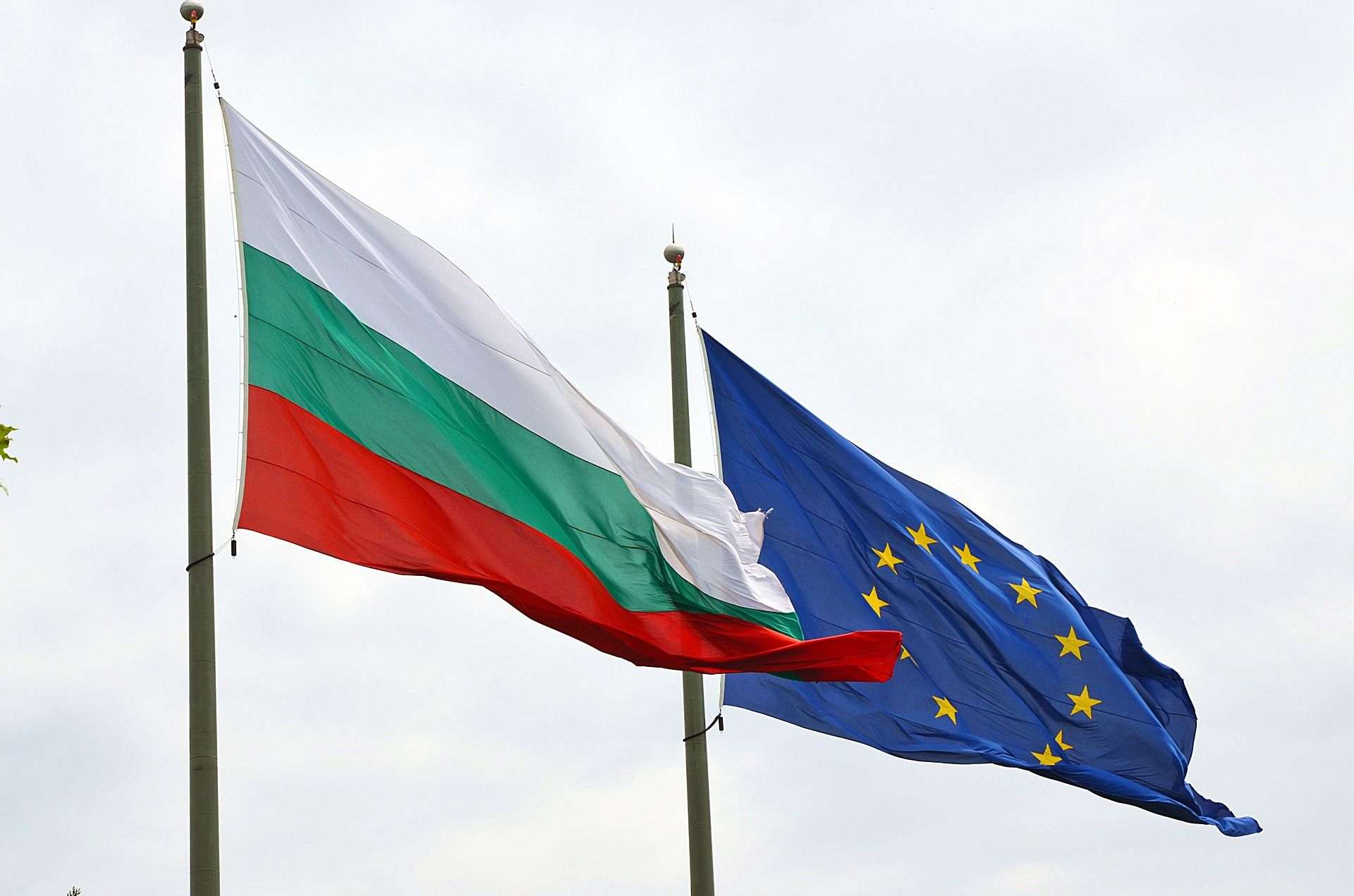
The Constitutional Court of Republic of Bulgaria has clarified a query addressed by the President Rumen Radev by Judgement No.7 dd.17.04.2018 in case № 7/2017. The query concerns the conditions under which the mixed agreements, concluded jointly by the European Union and its Member States on one hand with third countries on other hand become part of the domestic law of Republic of Bulgaria and take precedence over conflicting provisions of the domestic law.
In its answer the Constitutional Court has divided the provisions of these agreements into two parts: 1) –those concerning powers of the European Union and 2) those which fall within the competence of the Republic of Bulgaria. Under 1) it is concluded that they become part of the law of European Union and thus have primacy over any conflicting provision of the domestic legislation from the moment the agreements enter into force. Under 2) is valid that precedence over conflicting provisions of domestic law is obtained by ratification as an ordinary international treaty, but not treaty granting powers to European Union The ratification shall proceed according to Article 5, Paragraph 4 and not Article 85, Paragraph 1, Point 9 of the Constitution of the Republic of Bulgaria. This means that to mixed agreements in Bulgaria applicable will be the ordinary ratification procedure, where no qualified majority is required.
The query addressed by the President derives from the ratification of the Comprehensive Economic and Trade Agreement (CETA) between Canada, European Union and its Member States. The Court came to that conclusion after taking into account that the international agreements, concluded by the EU, are fundamental part of the EU law and its specific nature and as such they shall, in the part relating to power of EU, be effective in the national legal order of the Member States as legally binding EU acts.
The Constitutional Court clarifies that Article 85, Paragraph 1, Point 9 from the Constitution is relevant for international agreements according to which national competence to EU is partially transferred, i.e. particular international agreements granting Bulgaria’s powers to the European Union. However, this does not refer to the mixed agreements because they do not grant competence to EU, but derive from competence shared with the Member States that is provided to EU by them in the field of external relations.